
Rising Heat and Health: A Growing Threat to the Mid-Atlantic Region
The Mid-Atlantic Alliance for Climate and Health recognizes that extreme heat is no longer just a summer inconvenience—it is a rapidly escalating public health emergency affecting our entire region. In response to this growing threat, MAACH is advocating for Pennsylvania, Maryland, and New Jersey to follow Delaware’s lead in establishing statewide Heat Awareness Weeks and coordinated heat preparedness initiatives.
The Threat is Real and Accelerating
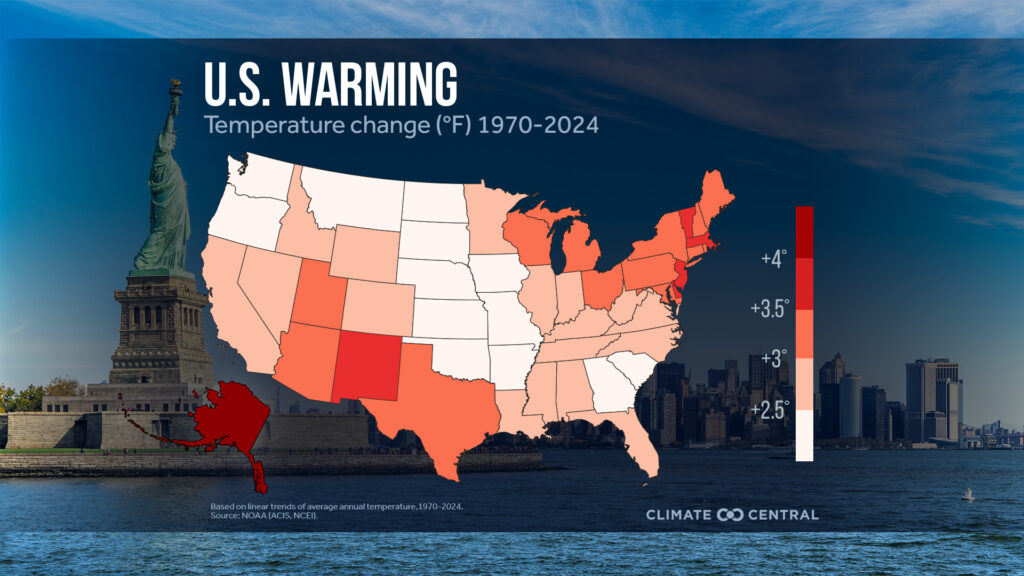
Extreme heat is the leading cause of weather-related deaths in the United States and globally. The Mid-Atlantic region is warming faster than many other parts of the country. Delaware ranks as the second fastest-warming state at +3.7°F since 1970—well above the national average of 2.8°F. Pennsylvania has warmed by +3.2°F, and Maryland by +3.3°F 1.
This trend is not slowing down. Climate projections indicate that our summers will become hotter, longer, and more dangerous, putting millions of residents at increased risk of heat-related illness and death.
Health Impacts are Wide-Ranging and Serious
Heat stress affects the body in multiple ways, exacerbating existing health conditions and creating new risks:
- Cardiovascular strain: Heat forces the heart to work harder, increasing the risk of heart attacks and strokes, particularly in older adults
- Respiratory complications: Hot air worsens asthma and chronic obstructive pulmonary disease (COPD)
- Kidney stress: Dehydration and heat exposure increase the risk of acute kidney injury and chronic kidney disease progression
- Mental health crises: Extreme heat is linked to increased emergency department visits for mental health conditions and higher suicide rates
- Pregnancy complications: Heat exposure during pregnancy increases risks of preterm birth, low birth weight, stillbirth, and hypertensive disorders of pregnancy2.
- Medication interactions: Many common medications (diuretics, beta-blockers, antipsychotics) impair the body’s ability to regulate temperature

Vulnerable Populations Bear the Greatest Burden
Heat does not affect everyone equally. Certain populations face disproportionate risk:
- Older adults (65+): Heat-related mortality in this group increased by approximately 85% between 2000–2004 and 2017–20213
- Children and infants: Their bodies regulate temperature less efficiently, and they depend on caregivers for protection
- Pregnant women: Heat exposure increases risks of preterm birth, low birth weight infants, and pregnancy complications
- Outdoor workers: Construction workers, agricultural laborers, landscapers, and delivery personnel face prolonged heat exposure
- Low-income communities: Limited access to air conditioning, green space, and quality housing increases heat exposure
- People with chronic conditions: Those with heart disease, diabetes, obesity, and mental illness are at higher risk
- Individuals experiencing homelessness: Lack of shelter and cooling access creates extreme vulnerability
- Communities of color: Structural inequities, including urban heat islands in historically redlined neighborhoods, create disproportionate exposure
The Economic and Social Costs
Beyond the human toll, extreme heat imposes substantial costs on our communities:
- Increased emergency department visits and hospitalizations strain healthcare systems
- Lost productivity and workplace injuries affect economic output
- School closures and disrupted learning harm educational outcomes
- Increased energy demand and power outages create cascading impacts
- Strain on social services and emergency response systems

Awareness and Preparedness Gaps
Despite these serious risks, public awareness of heat illness remains dangerously low across the Mid-Atlantic. Many residents cannot:
- Recognize the early warning signs of heat exhaustion versus life-threatening heat stroke
- Identify when to seek urgent or emergency medical care
- Locate nearby cooling centers or hydration resources
- Protect vulnerable family members, neighbors, and pets
- Understand how medications may increase heat sensitivity
This knowledge gap is preventable. Heat illness is largely avoidable with proper awareness, preparation, and community support systems.

The Path Forward: Coordinated Regional Action
The Mid-Atlantic Alliance for Climate and Health is working to build regional capacity to address this growing threat through:
- Public education campaigns that reach diverse communities with culturally appropriate, multilingual messaging about heat risks and prevention
- Healthcare sector engagement to ensure clinical teams identify high-risk patients and provide proactive counseling
- Workforce protection initiatives to establish enforceable heat safety standards for outdoor workers
- Cooling infrastructure expansion including public cooling centers, urban tree canopy, and emergency cooling assistance programs
- Early warning systems that alert communities to dangerous heat events before they occur
- Health equity focus to ensure interventions reach and protect the most vulnerable populations
- Climate adaptation planning at local, state, and regional levels to build long-term heat resilience

Delaware’s Heat Awareness Week: A Model for the Region
Delaware’s inaugural Heat Awareness Week (May 18–22, 2026) represents an important first step in coordinated regional response. This statewide initiative brings together healthcare systems, public health agencies, employers, schools, community organizations, and residents to:
- Raise awareness of heat risks and prevention strategies
- Distribute educational materials and resources throughout communities
- Increase access to cooling centers and hydration stations
- Protect outdoor workers, children, older adults, and other vulnerable groups
- Build sustained capacity for summer heat preparedness
The Mid-Atlantic Alliance for Climate and Health supports this initiative and encourages similar efforts across Maryland, Pennsylvania, New Jersey, Virginia, and Washington, D.C. Regional coordination will strengthen our collective ability to protect public health as summers continue to warm.

Join the Movement and Support Heat Awareness Week Across the Mid-Atlantic
How to Support MAACH in Getting Heat Awareness Week Recognized
If you support recognizing Heat Awareness Week in your area for May 18–24, 2026, please complete the following form. This will help us coordinate regional efforts to protect public health by asking individual states to recognize a formal Heat Awareness Week.
For governors’ staff and state officials seeking more information about what a Heat Awareness Week would look like in practice, we have created a comprehensive planning resource. Please visit our Heat Awareness Week: Suggested Framework and Ideas to explore recommended daily themes, suggested activities, implementation strategies, and examples of how other states are approaching this important public health initiative.
Our Collective Responsibility: We Must Work Together Now to Protect Lives
In Conclusion, extreme heat is not a distant threat—it is already harming our communities, and the risk is growing every year. But heat illness is preventable. With coordinated action, increased awareness, and sustained commitment to protecting the most vulnerable, we can reduce preventable suffering and death across the Mid-Atlantic region.
The Mid-Atlantic Alliance for Climate and Health calls on healthcare systems, public health agencies, community organizations, employers, and policymakers to join this urgent effort. Together, we can build a more heat-resilient and equitable future for all residents of our region.
For more information or to get involved, contact the Mid-Atlantic Alliance for Climate and Health.